Lab-work

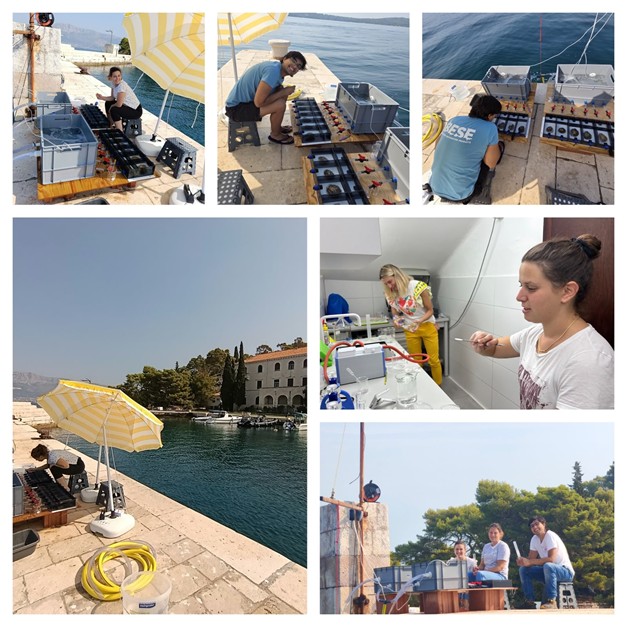
Second Round of Feeding Physiology Experiments Completed

In September, we conducted the second series of physiological rate experiments as part of PhD student Niko Bujas doctoral research. Three experiments representing summer conditions were carried out. The results will help us understand how European flat oysters respond to exceptionally high summer temperatures. We look forward to analysing the data and sharing the findings.
Continue reading

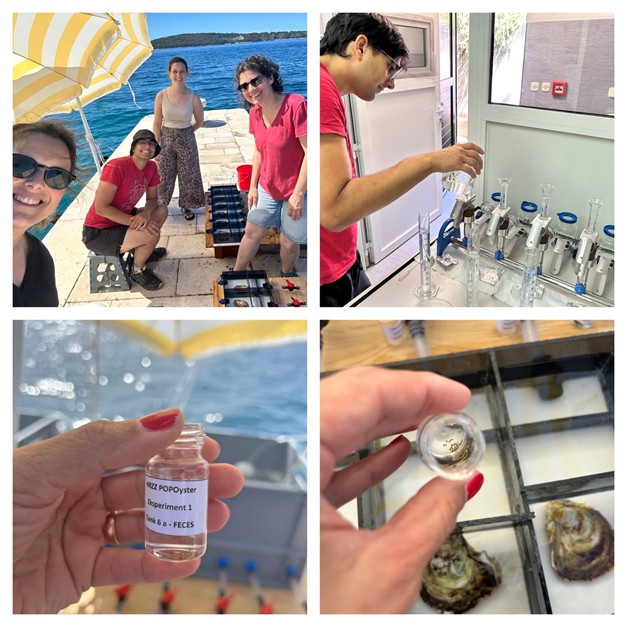
First Oyster Feeding Physiology Experiment Successfully Conducted

With the support of Dr Eve Galimany, we successfully conducted the first feeding physiology experiment on the European flat oyster. Dr Galimany shared her knowledge and experience, providing valuable guidance throughout the experiment. This is the first of four seasonal experiments planned within the POPOyster project. The experiments also form part of the doctoral research conducted by our PhD student Niko Bujas.

Continue reading

Preparation of experimental substrates for oyster settlement experiment

In February, project leader Daria Ezgeta Blić and project associate Ivana Marušić went to Zagreb to prepare test substrates for an upcoming experiment on European flat oyster spat settlement. The experiment will be conducted at the end of April at two locations: within Brijuni National Park and at a shellfish farm near the mouth of the Krka River. Three different material mixtures were prepared, each with three distinct surface textures.

Continue reading

From Field to Lab – Sample Analysis in Progress

Following the spring fieldwork, all collected samples have now been processed in the lab. Expert associate Niko Bujas performed microscopic analysis of all the samples, while PhD student Luka Žuvić completed the preparation for molecular analysis. The samples will soon be sent for sequencing, providing us with the necessary data to begin drafting a new scientific paper.

Continue reading

Lab work in progress

Sample collection for monitoring the reproductive cycle of oysters is progressing according to schedule. Monthly samples are collected as planned, processed in the laboratory, and analyzed. New samples will be in the lab soon. This data, along with information on reproductive biology gathered in previous years, will offer valuable insights into the reproductive biology of this species in the Adriatic Sea.

Continue reading